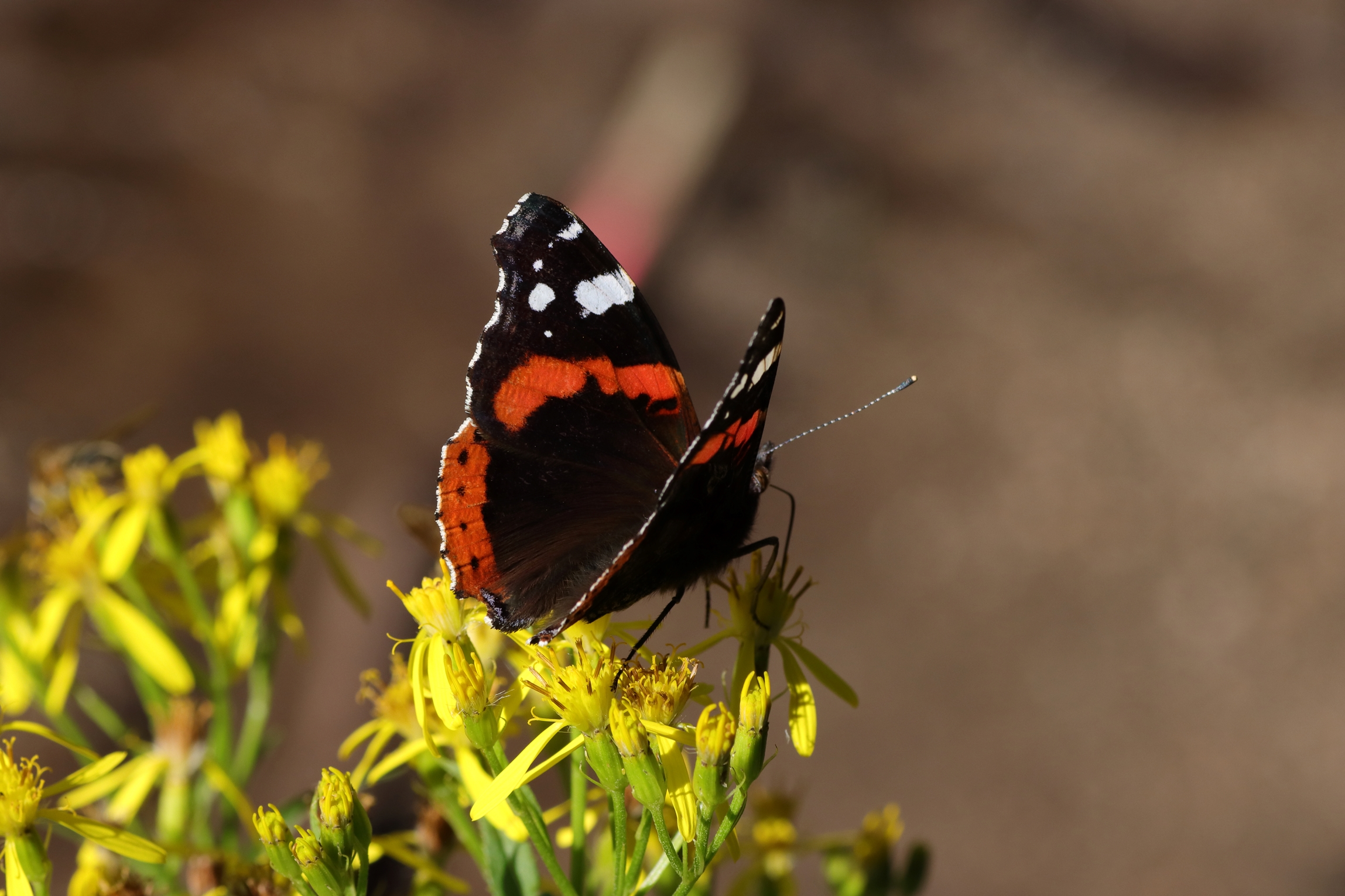
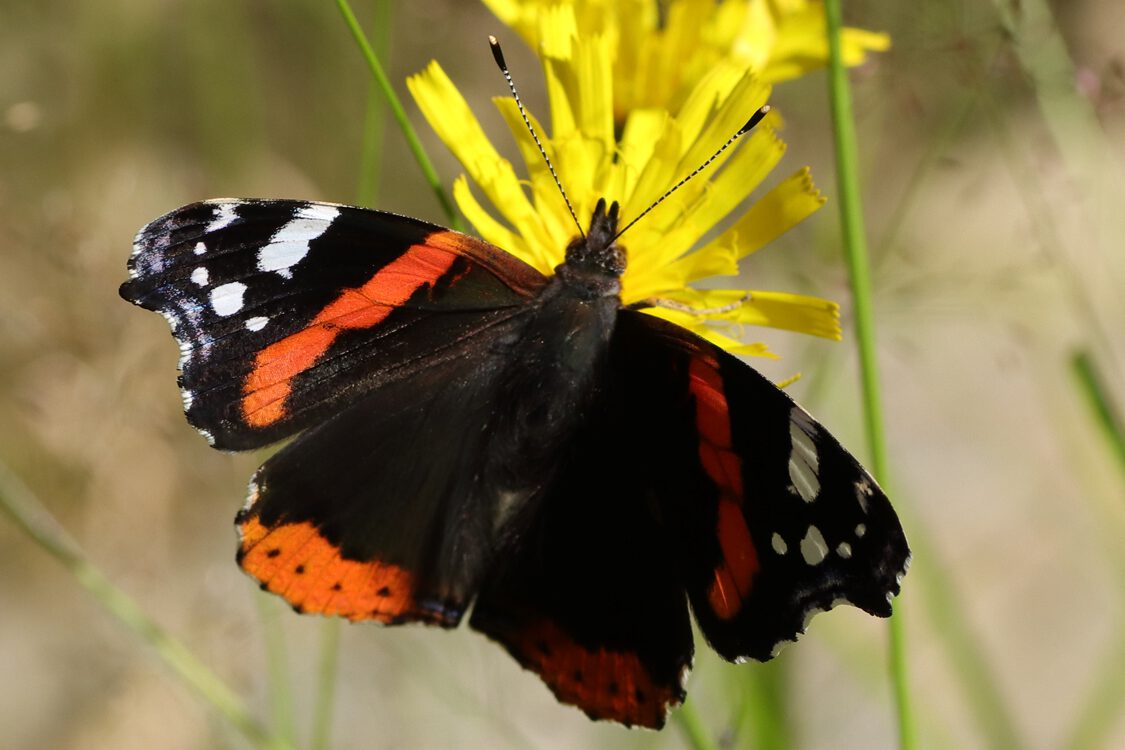
Red admiral (Vanessa atalanta)
The red admiral is one of the best-known migratory butterflies. Every spring, this butterfly flies across the Alps to Germany. In autumn, it returns to its winter habitats in the south.
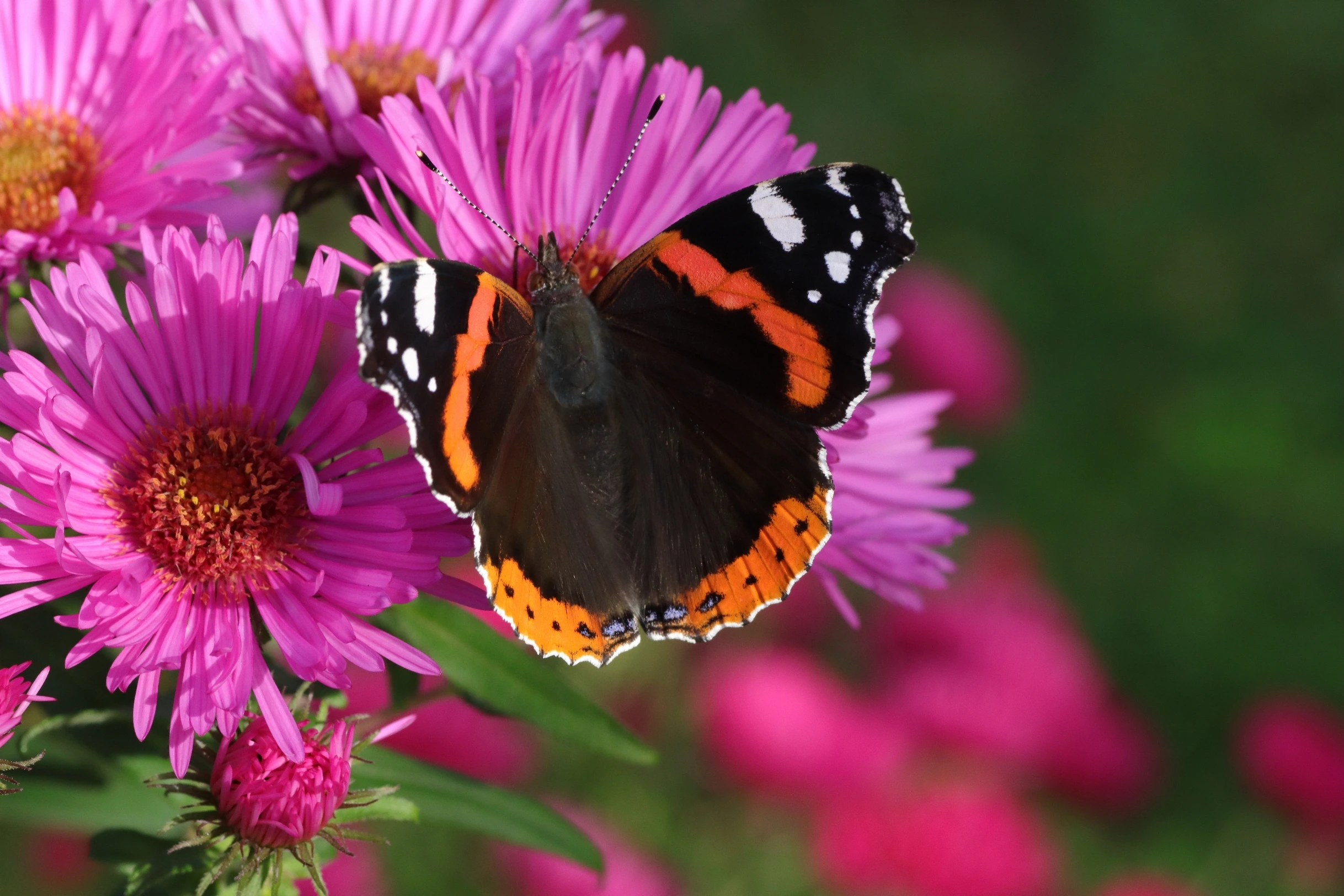
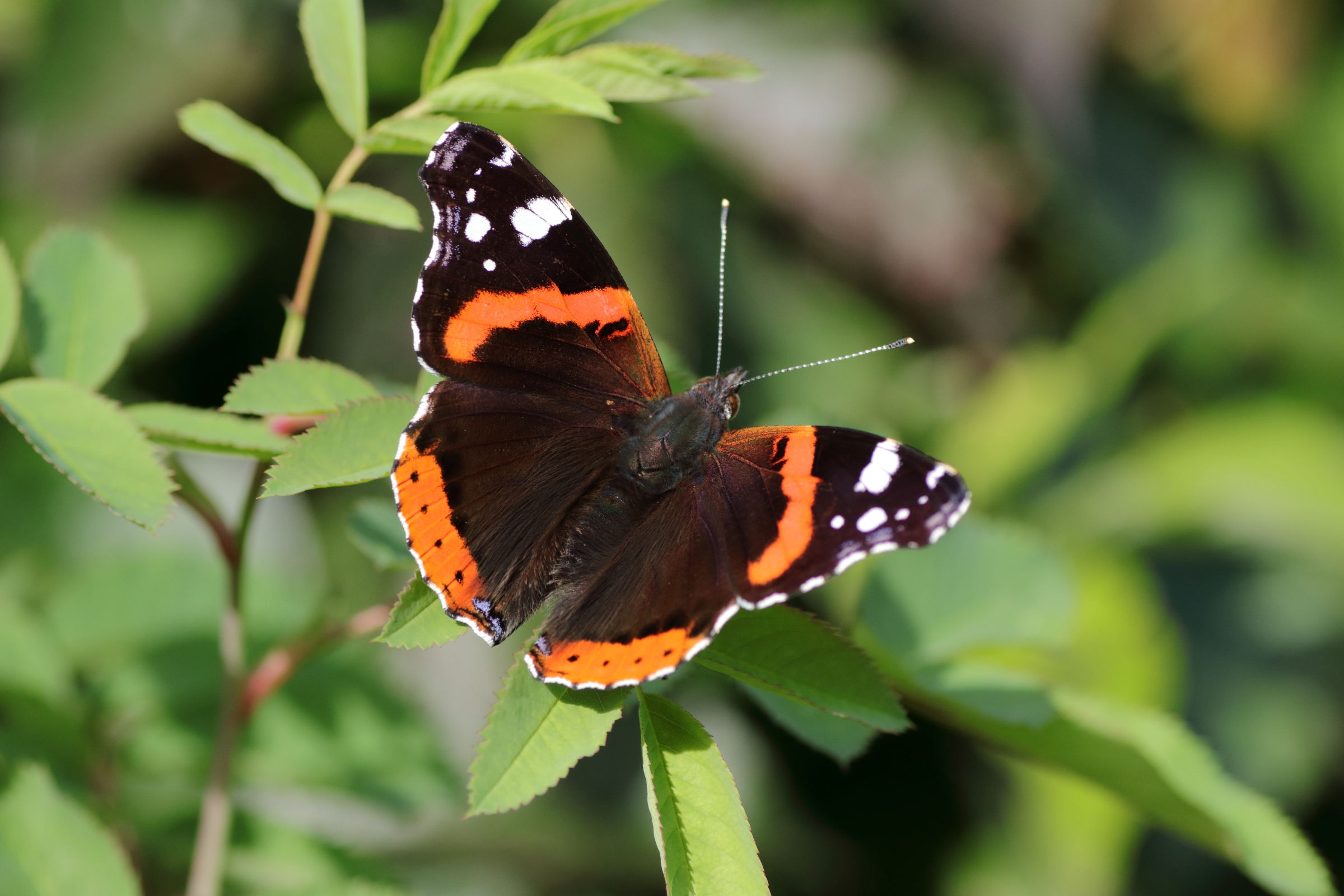
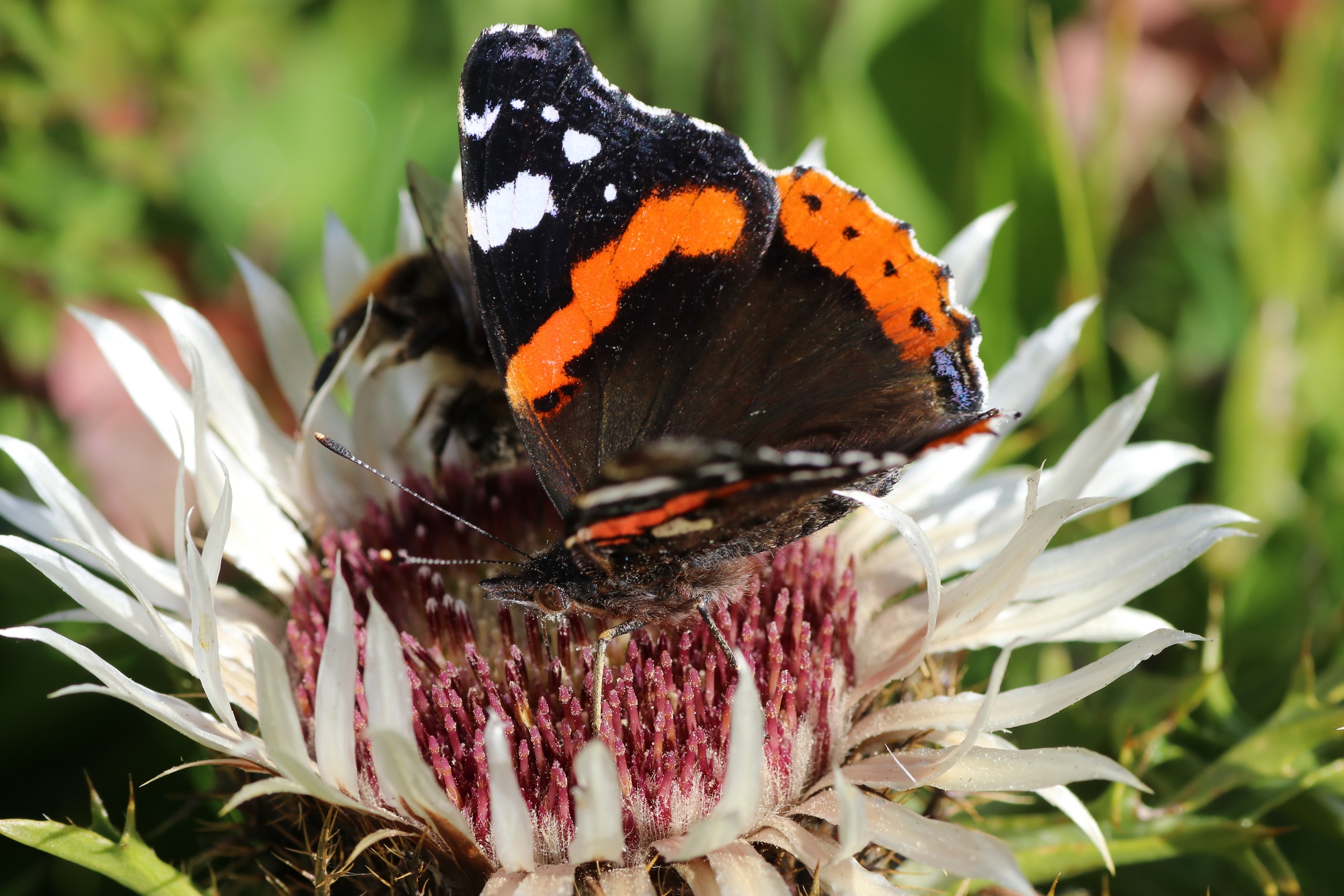
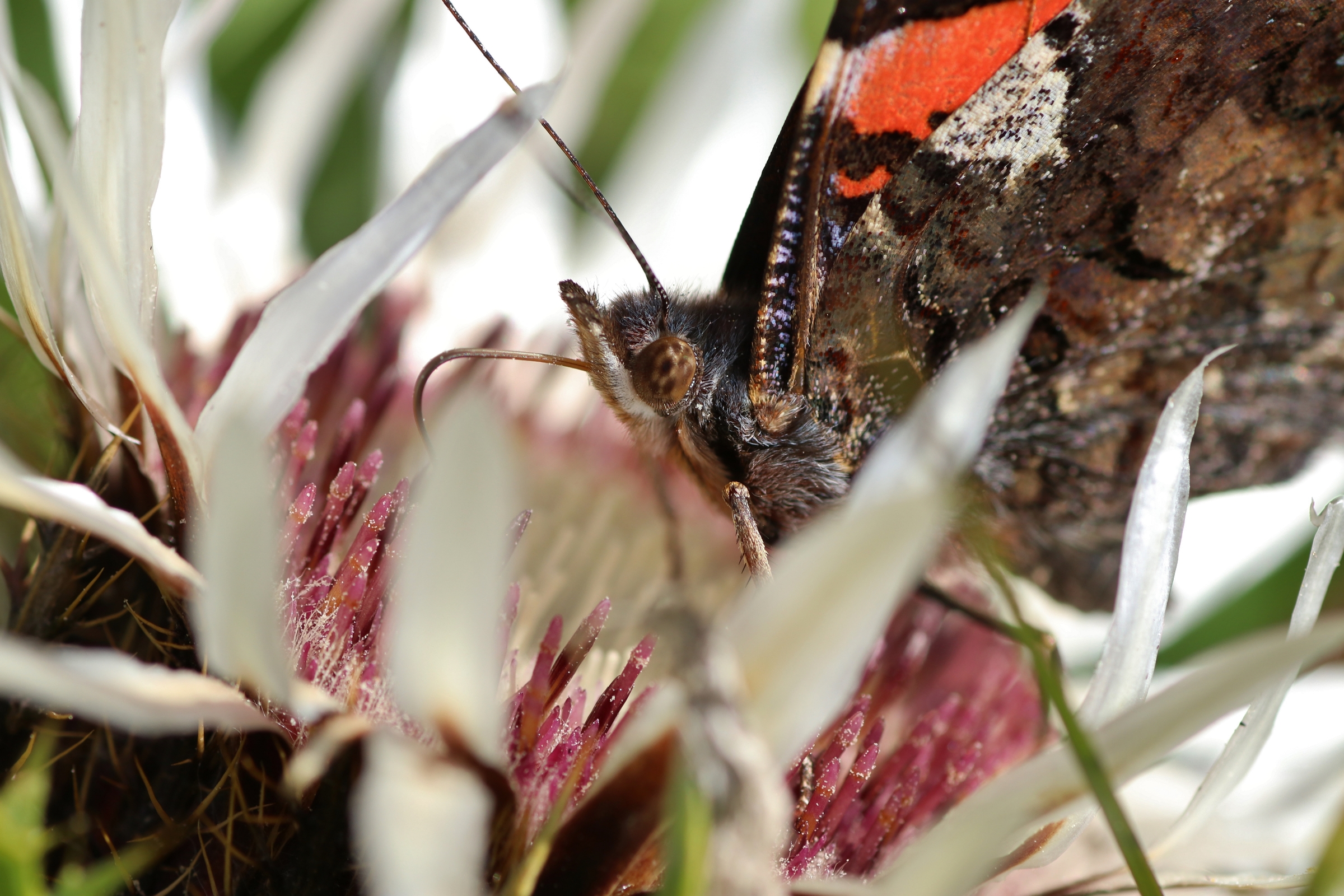
The most important food plant for the red admiral caterpillar is the stinging nettle. The butterfly is visible from afar thanks to its striking orange and black coloring. The underside of its wings is also covered with an orange-red stripe.
Old World swallowtail (Papilio machaon)
The swallowtail was voted “Butterfly of the Year 2006.” It*s yellow wings and blue spots with two orange spots on the lower part of the wings are unmistakable. The green / orange caterpillars can mainly be found on dill and fennel. It has a wingspan of between 65 and 86 mm.
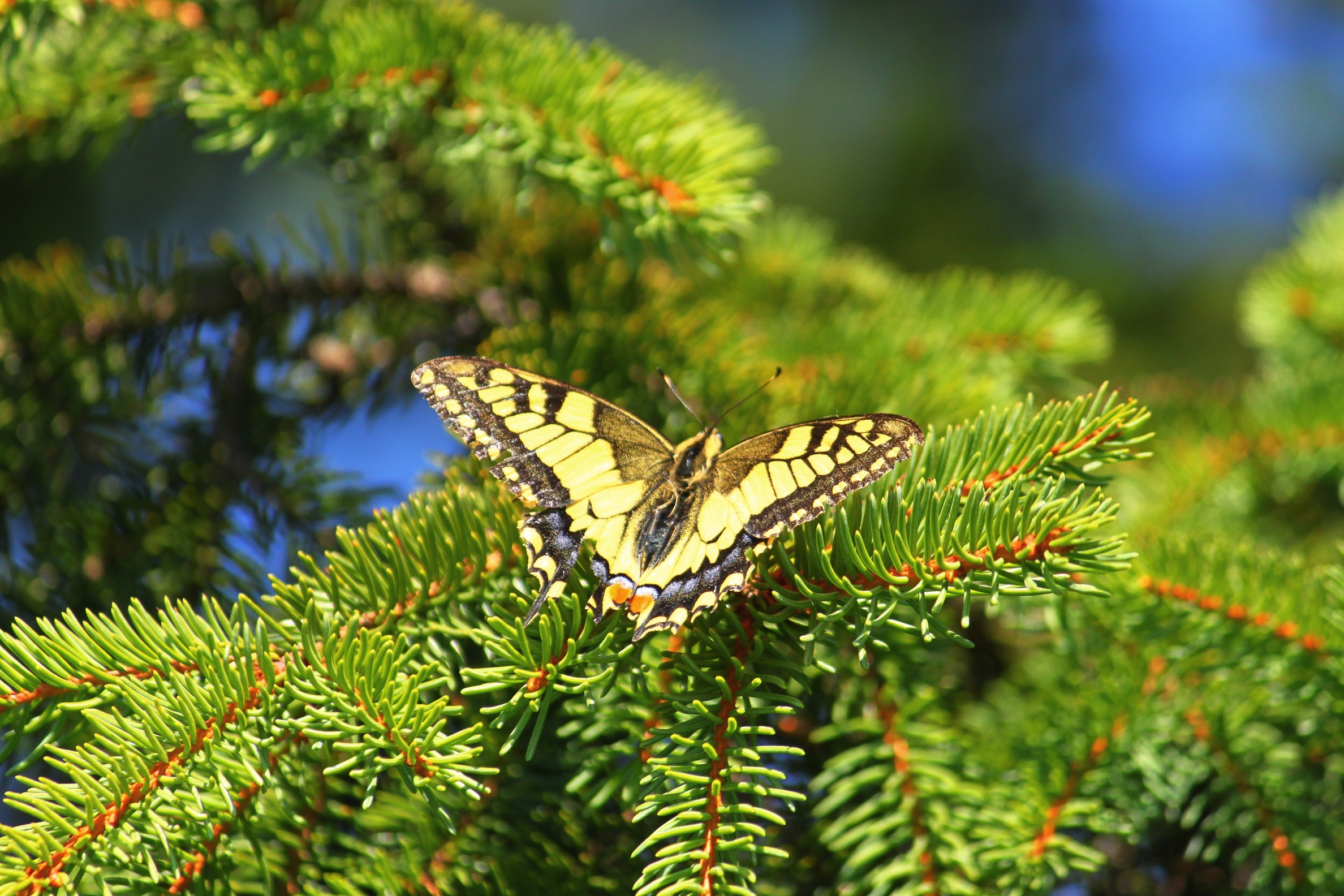
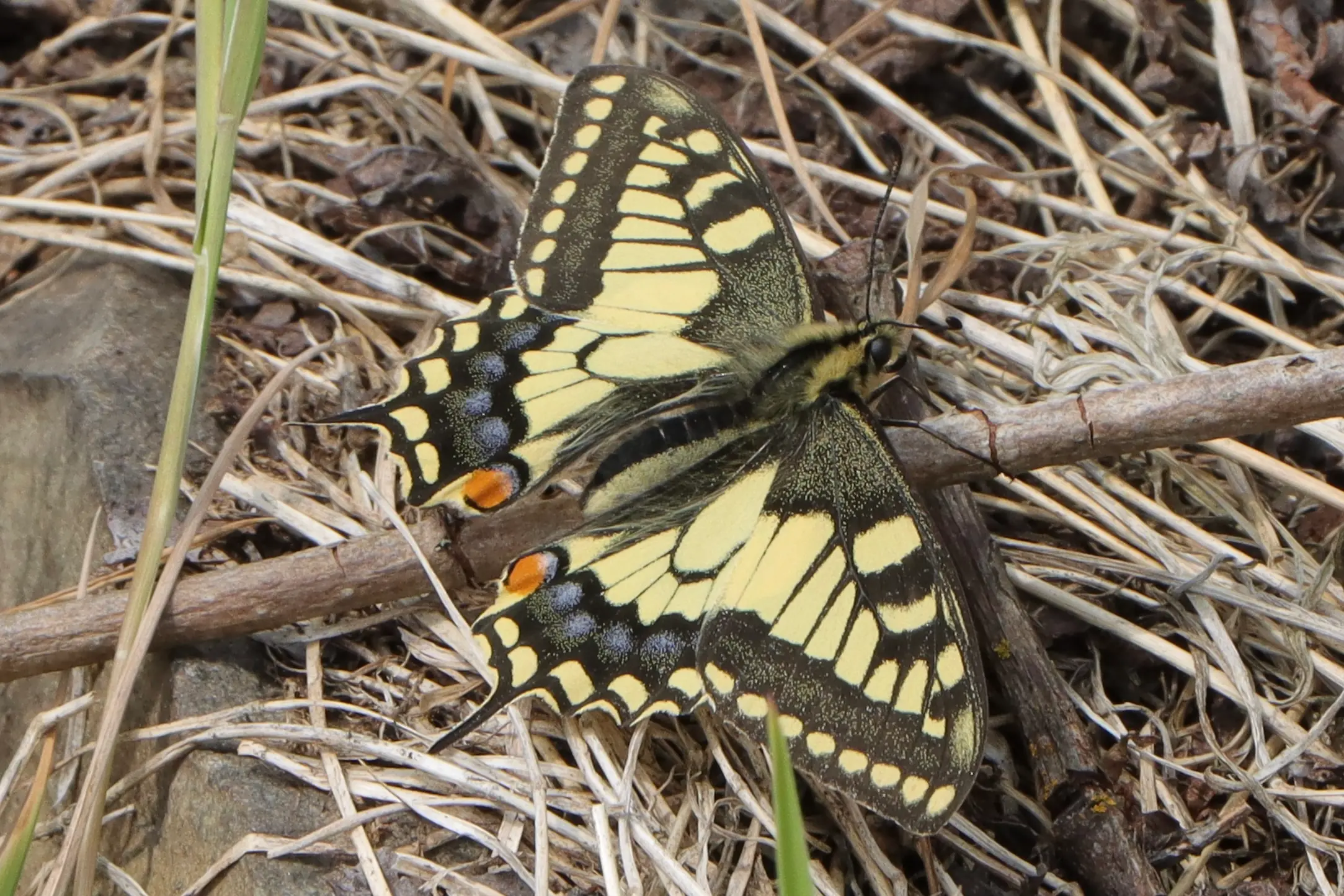
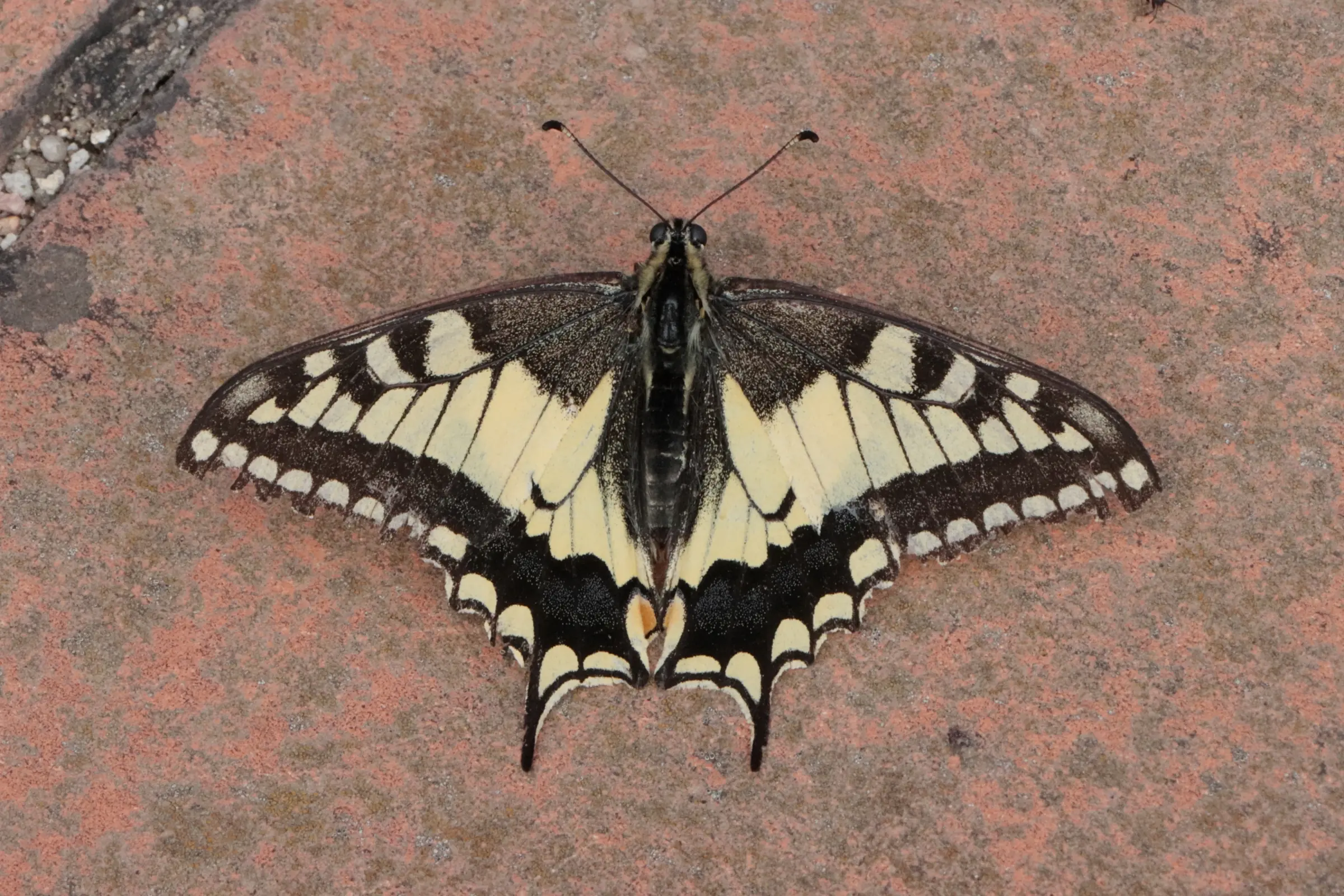
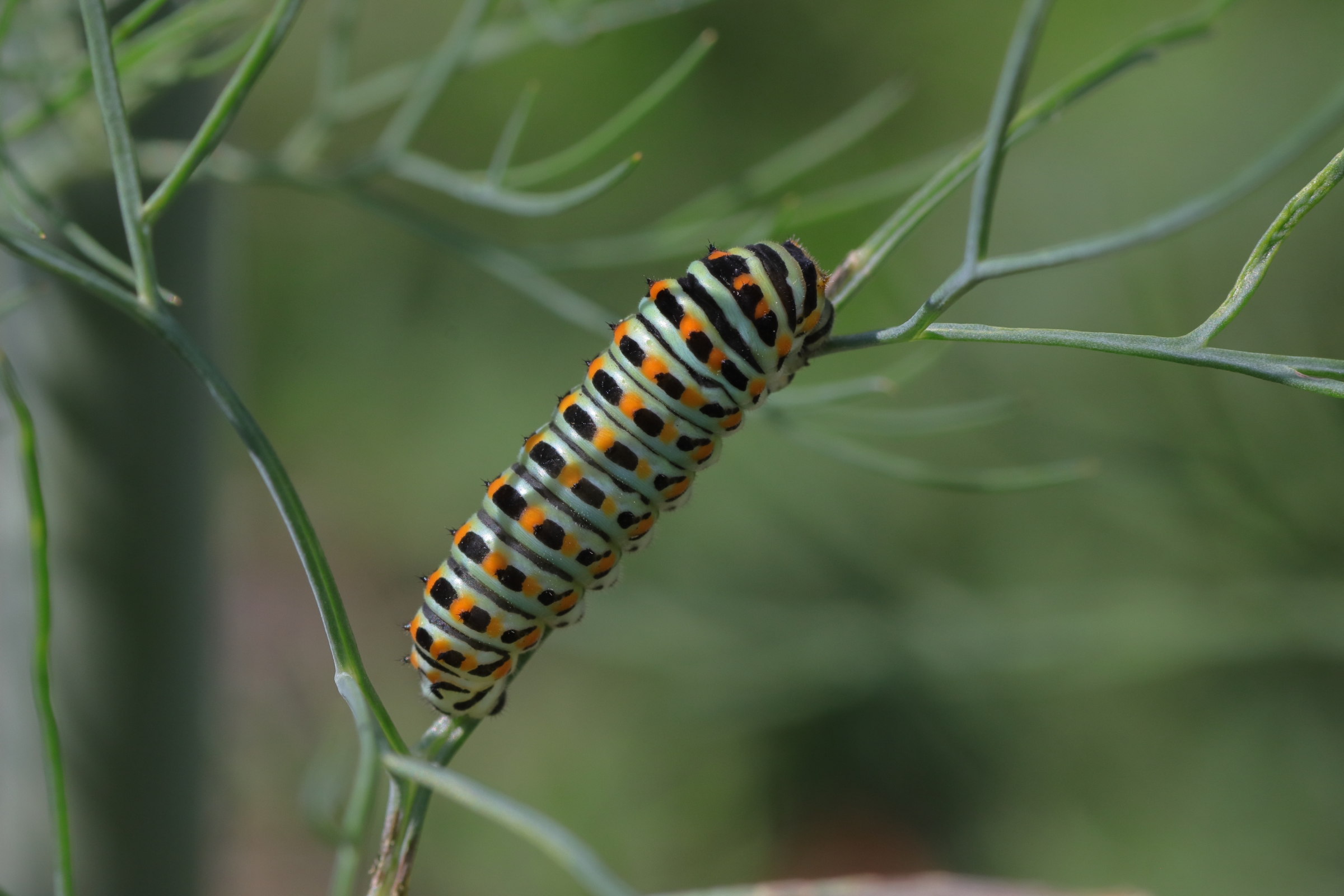
~ This is a protected species in Germany (by the BArtSchV) ~
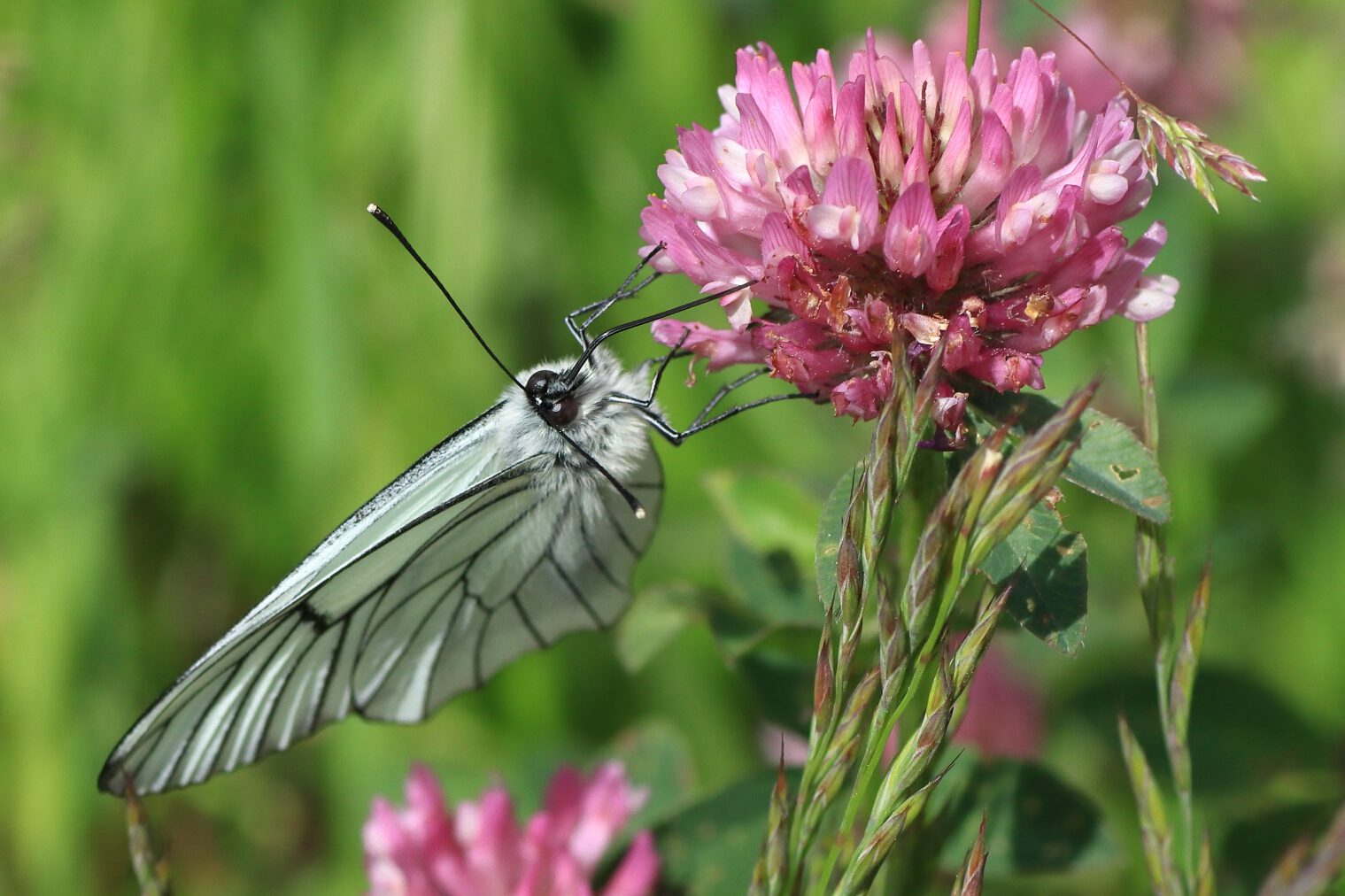
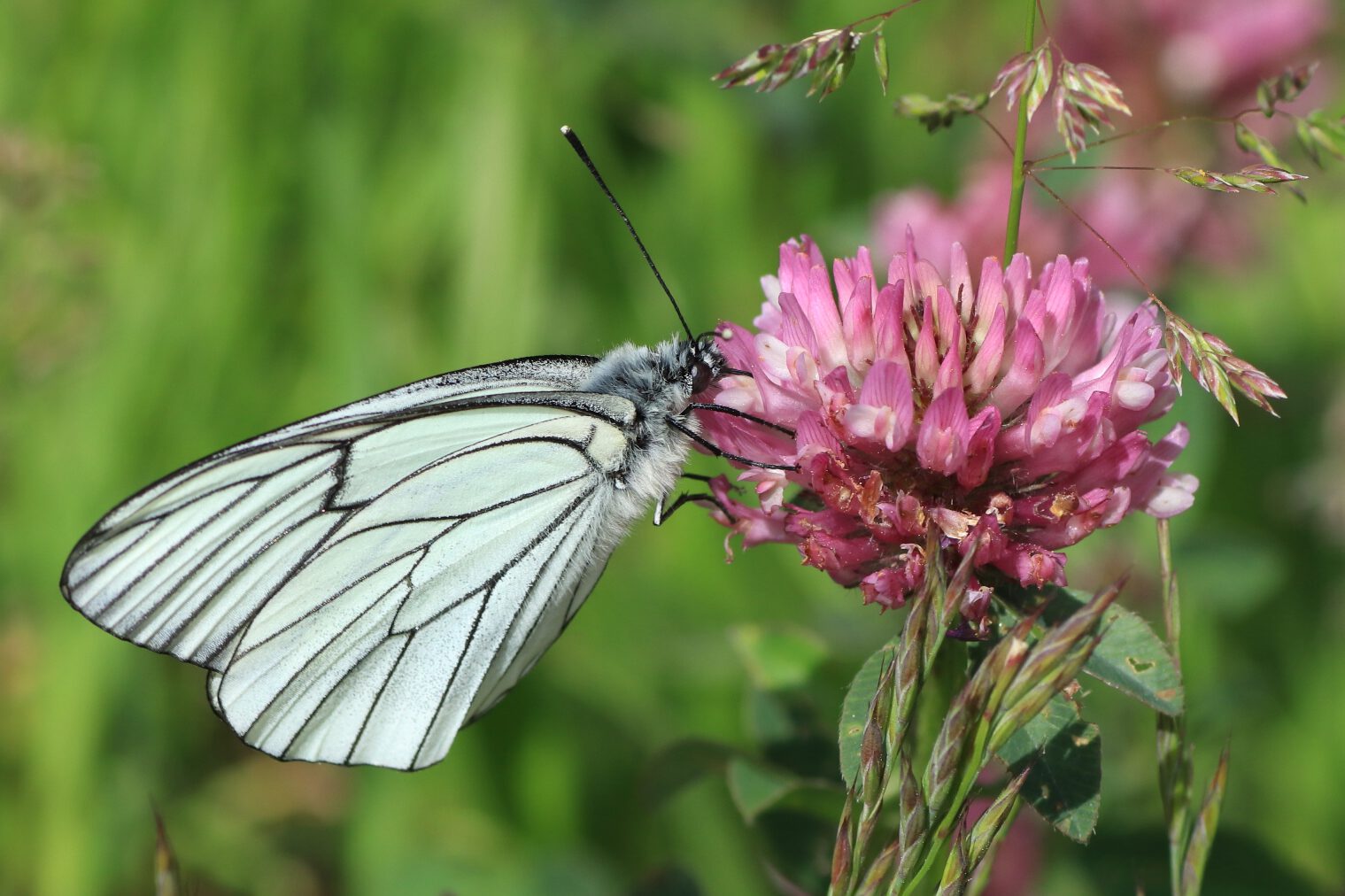
Black-veined white (Aporia crataegi)
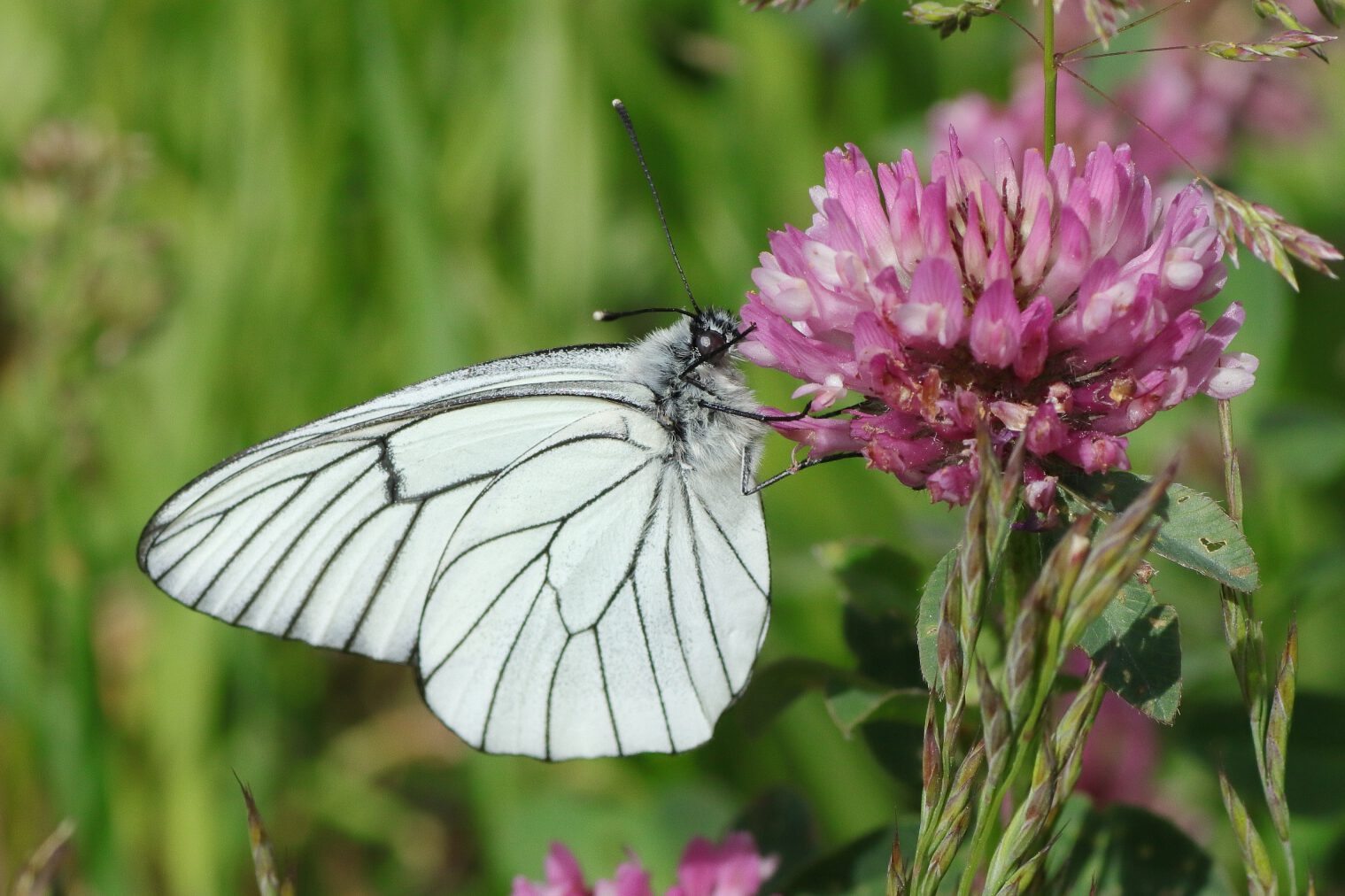
The black veins on its wings make this butterfly unmistakable among the whites. It has a wingspan of between 60 and 80 mm. The black-veined white is commonly found in Europe (except northern Scandinavia).
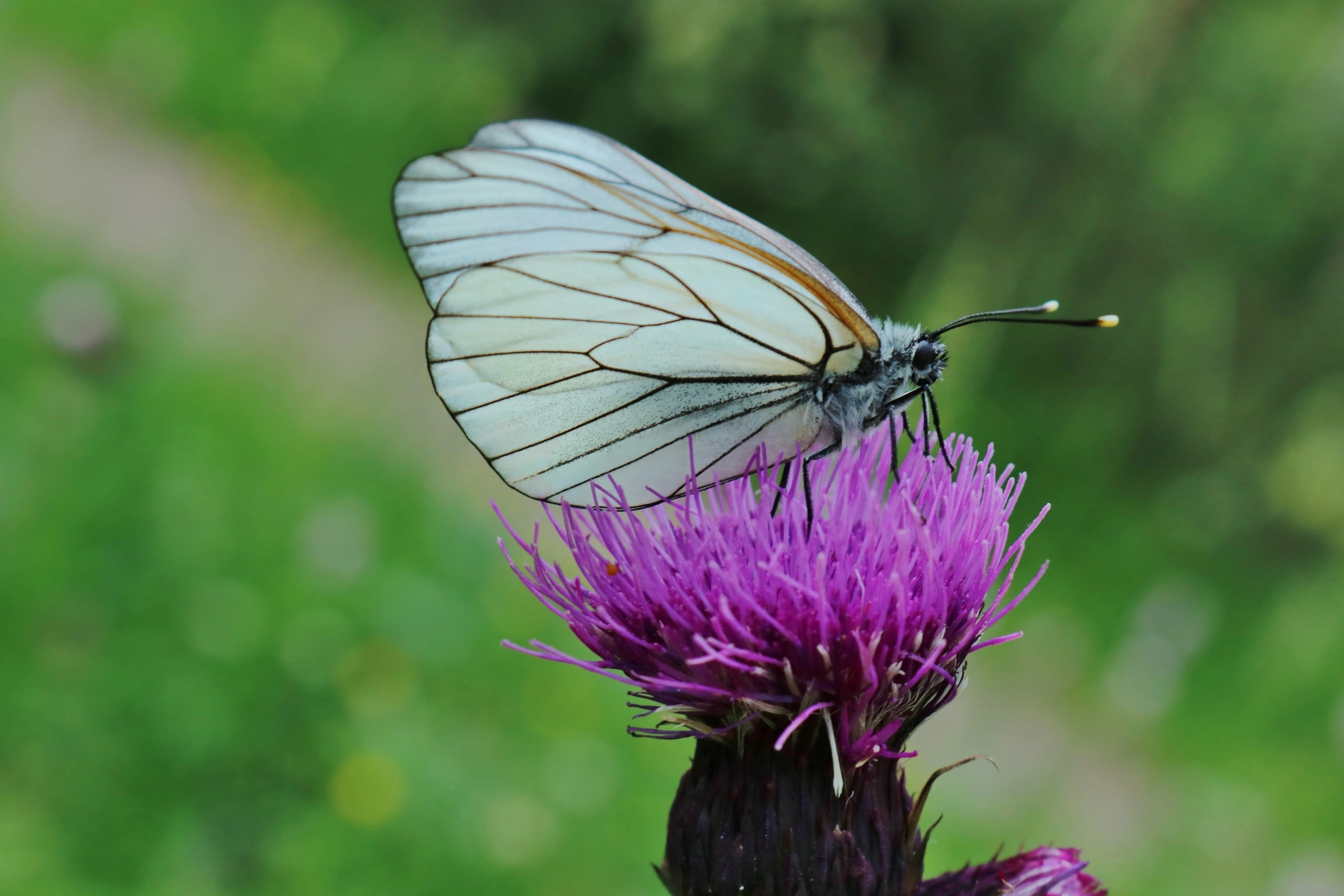
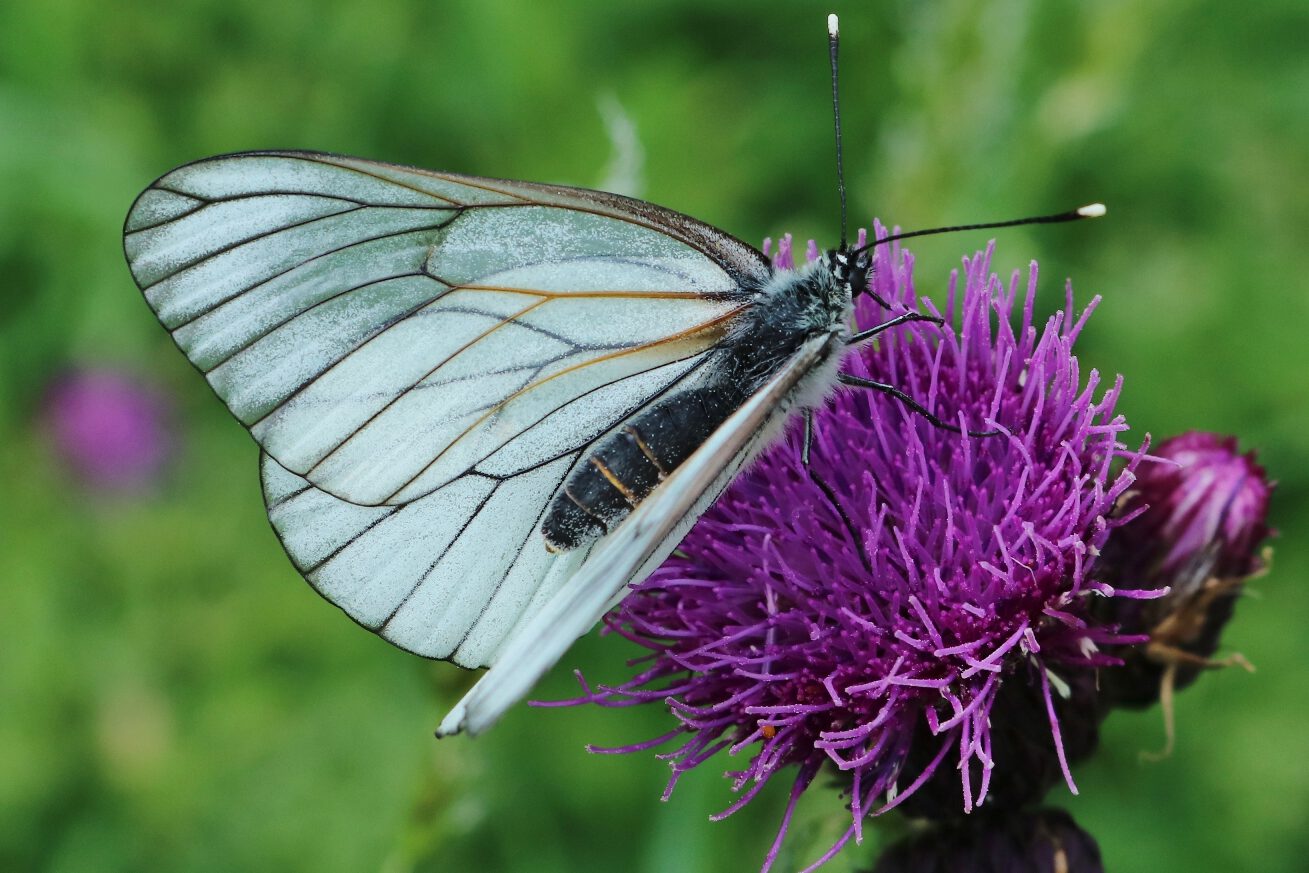
The main food source for the caterpillars of this butterfly is plants of the genus Crataegus (e.g., two-styled hawthorn). Adult butterflies are mainly found feeding on thistles and clover species.
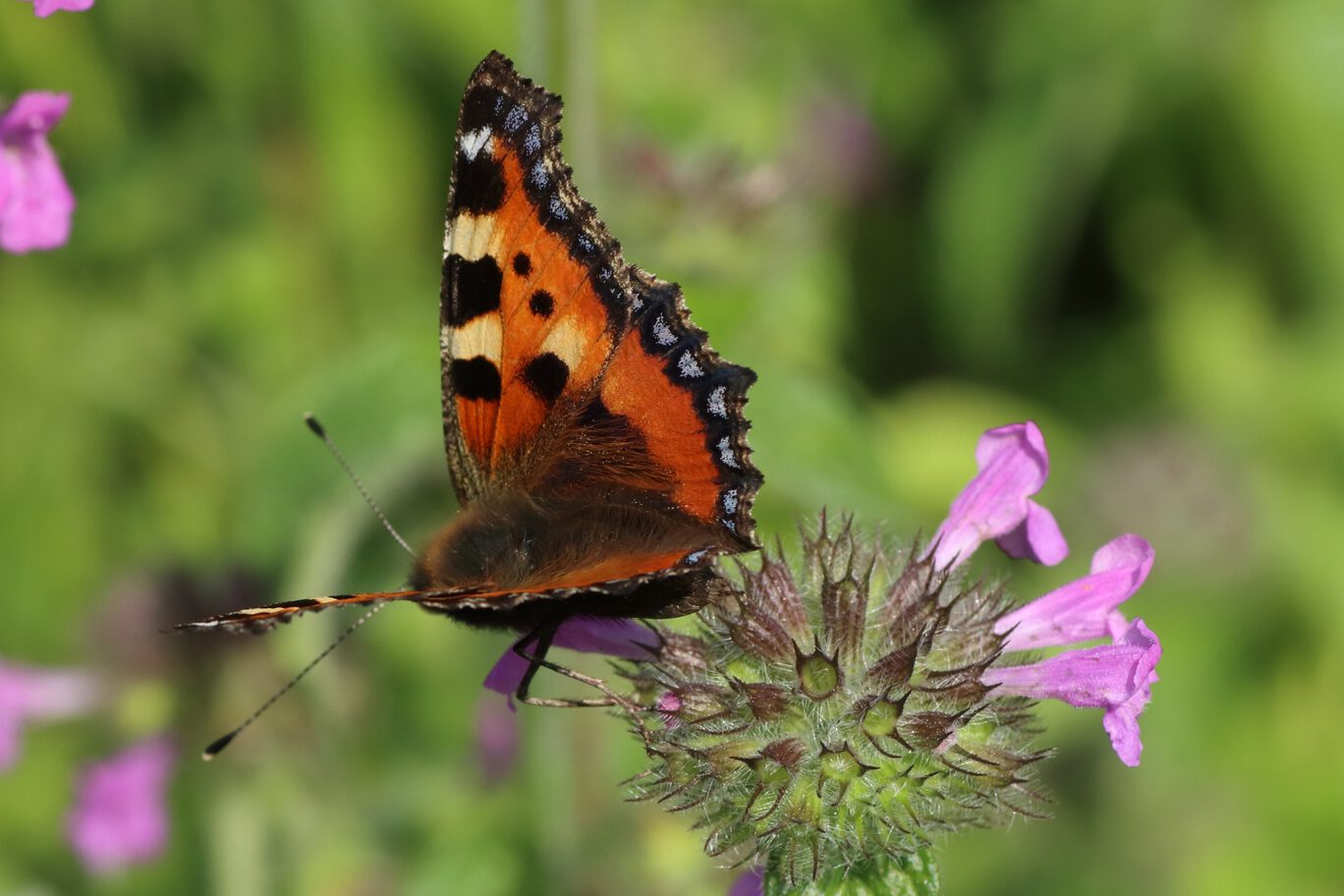
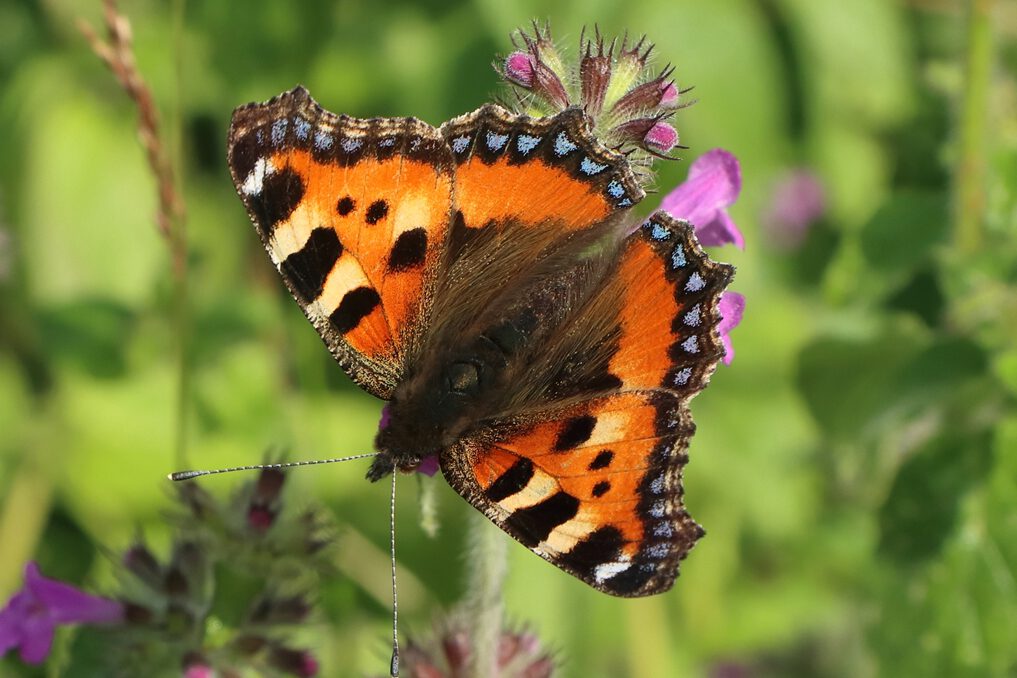
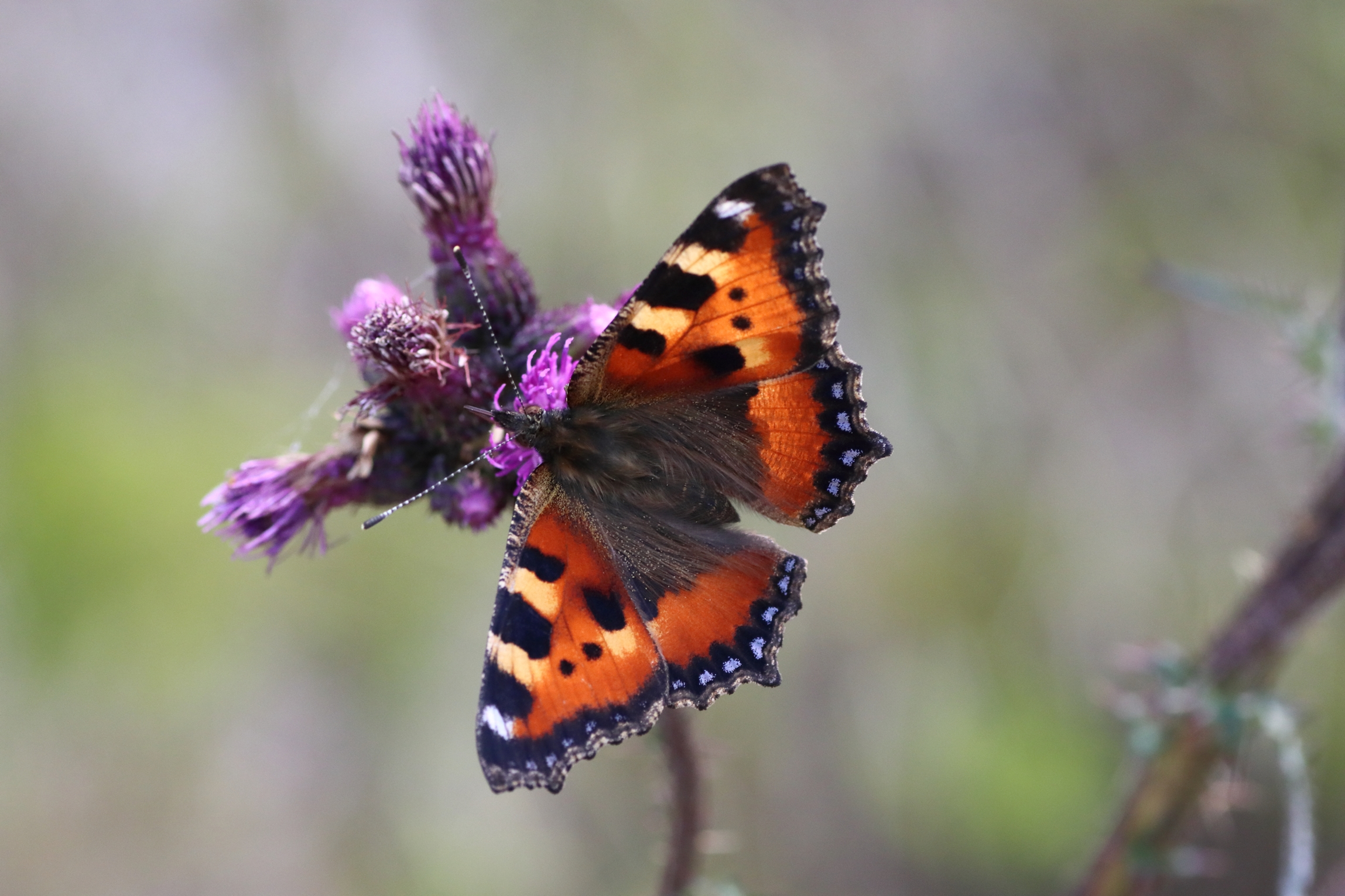
Small tortoiseshell (Aglais urticae)
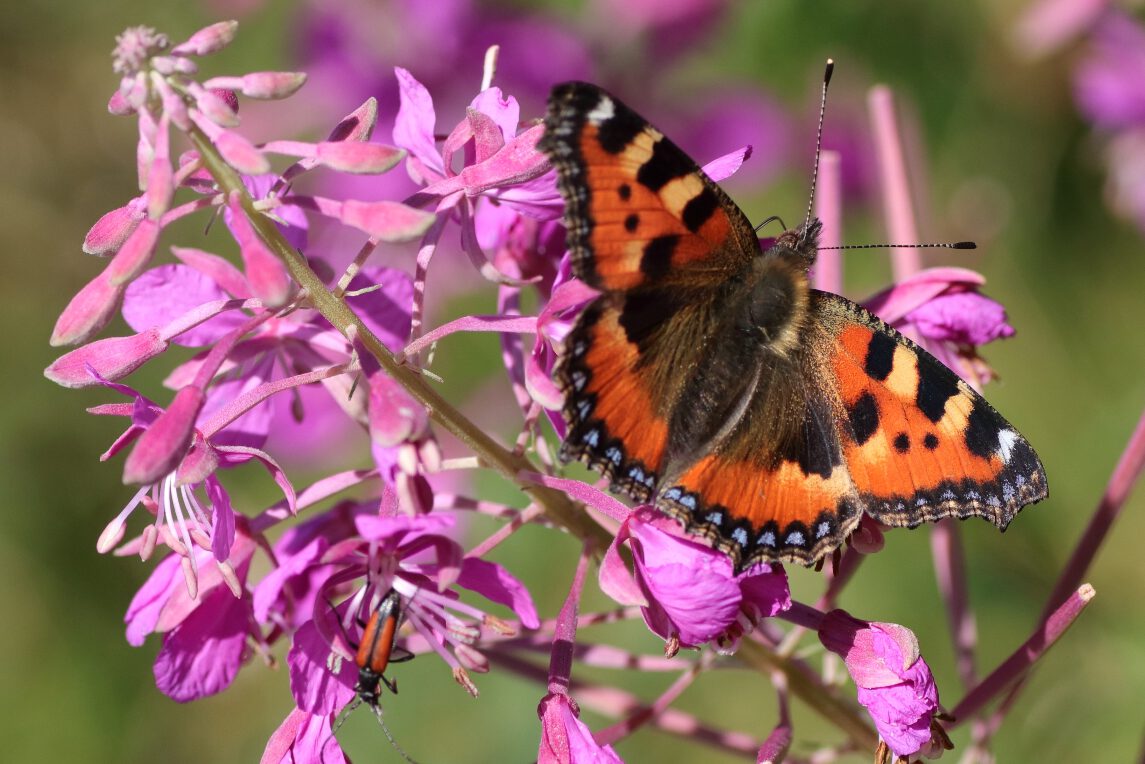
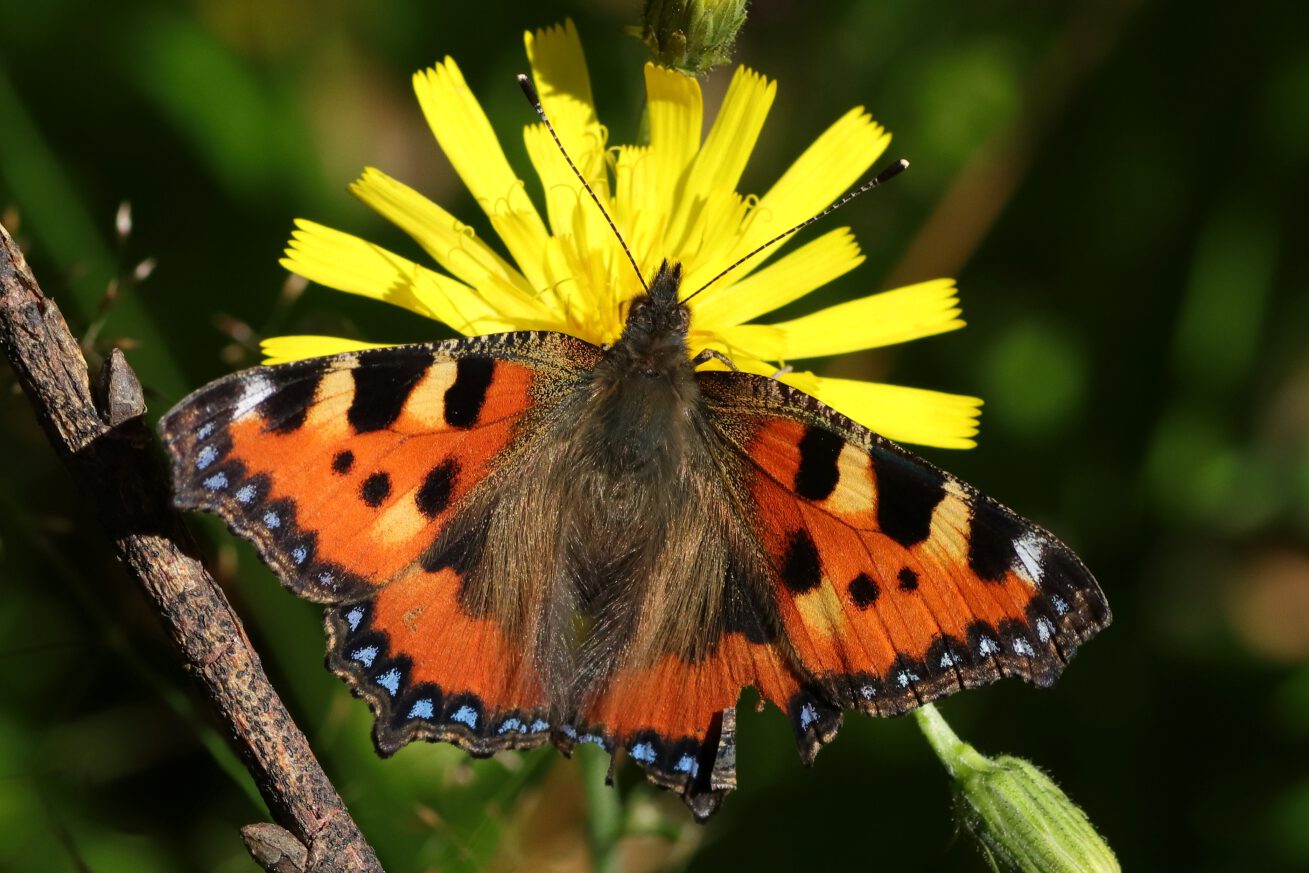
The small tortoiseshell belongs to the family of noble butterflies. These butterflies have a wingspan of between 40 and 50 mm. The upper side of their wings is orange in color. The underside is dark brown. They are mainly found in Central and Northern Europe.
The caterpillars feed on plants such as stinging nettles. They grow to a length of between 20 and 30 mm. The caterpillars are black in color and covered with small white spots.
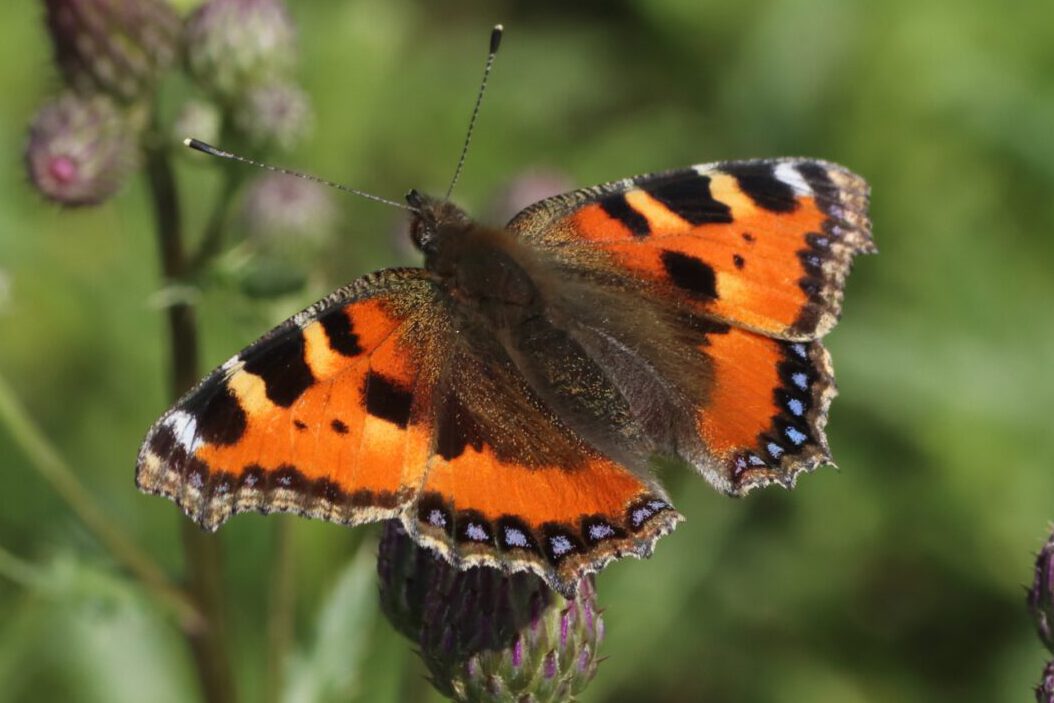
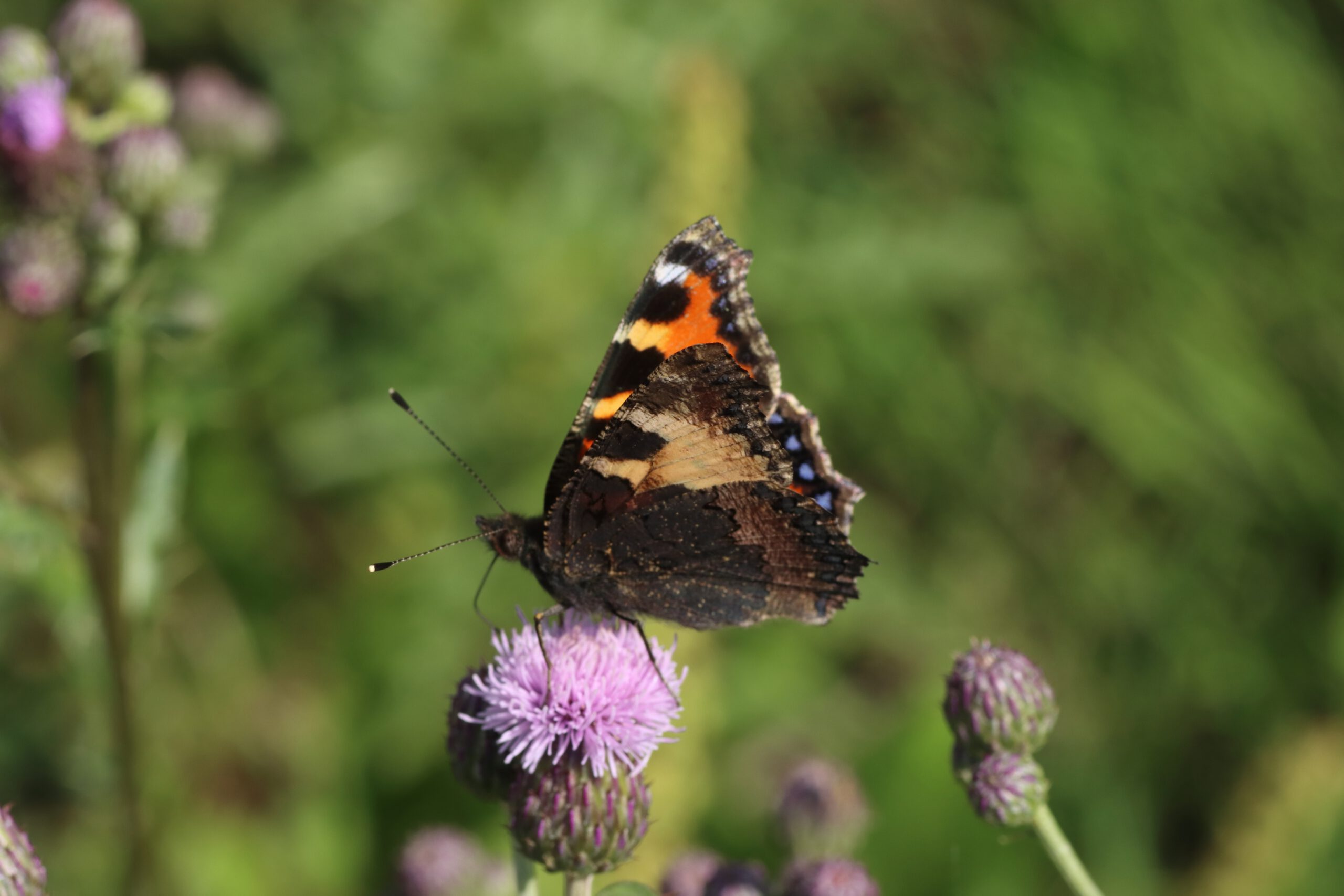
The nectar plants of adult butterflies include, among others, the thistle, water hyssop, and alpine milkwort. In addition, well over 200 different nectar plants are known.